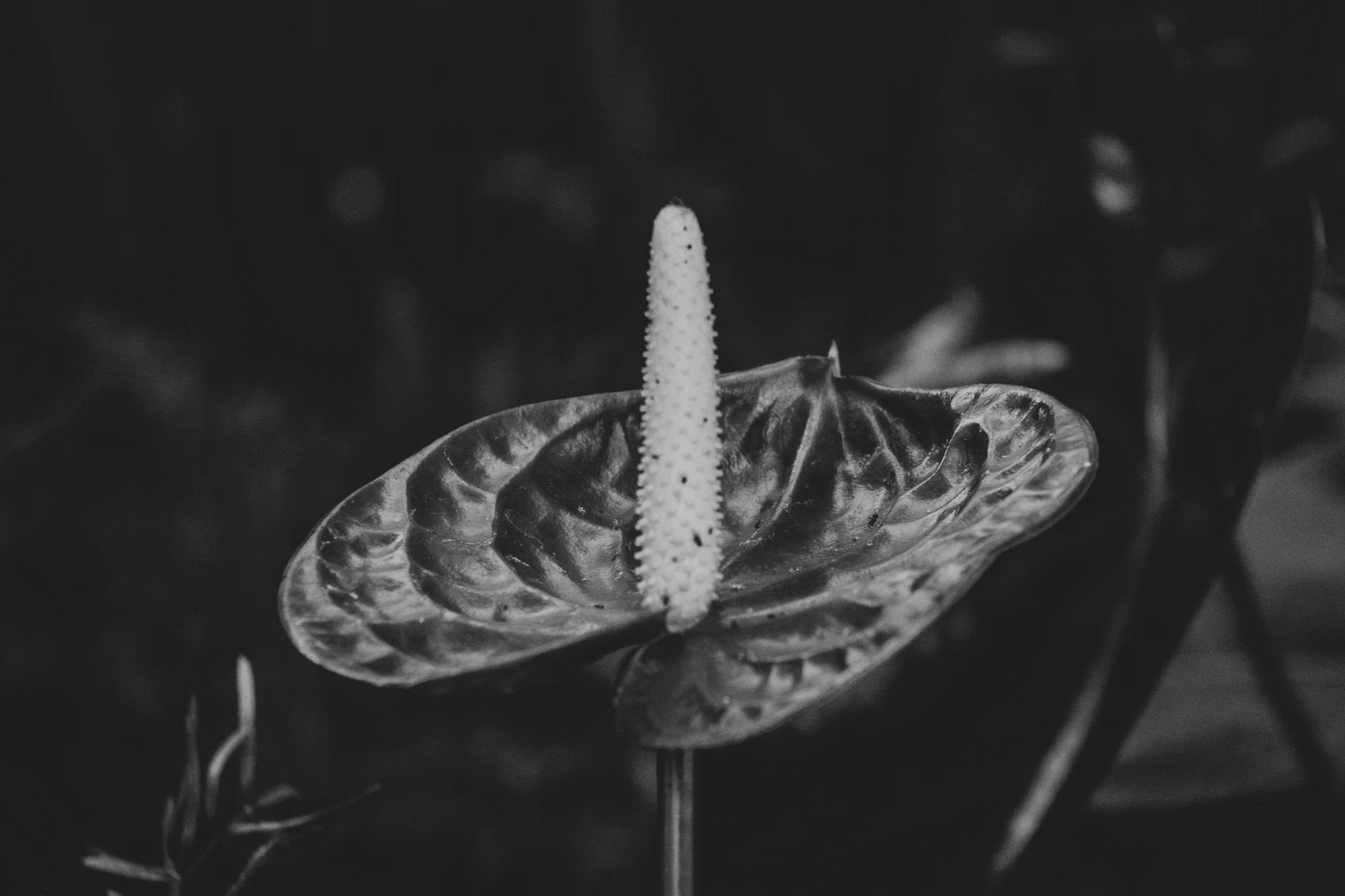
Flowers are nature’s vibrant expressions, showcasing a remarkable diversity that captivates the senses. From the soft petals of wildflowers to the bold blooms of tropical plants, the world of flowering plants is rich in color, shape, and fragrance. This article explores the various categories of flowering plants, including wildflowers, perennials, annuals, bulbs, herbaceous plants, shrubs, tropical flowers, desert flowers, alpine flowers, and aquatic plants. Each category holds its own unique charm and significance, contributing not only to our enjoyment but also to the health of ecosystems.
Wildflowers are perhaps the most enchanting of all, embodying the beauty of nature in its purest form. Growing spontaneously in meadows, forests, and along roadsides, wildflowers bring vibrant splashes of color to landscapes. Species such as wild daisies, buttercups, and poppies thrive without human cultivation, showcasing nature’s resilience. These flowers are crucial for local ecosystems; they provide essential resources for pollinators like bees and butterflies, which, in turn, support the reproduction of many plant species.
The role of wildflowers extends beyond their aesthetic appeal. By attracting pollinators, they help maintain biodiversity within ecosystems, ensuring that various species can thrive. Moreover, wildflowers contribute to soil health through their deep root systems, which prevent erosion and promote stability. The sight of a wildflower-filled meadow is not only a visual treat but also a reminder of the interconnectedness of life on Earth.
Transitioning from wildflowers to perennials, we encounter plants that bring reliability and beauty to gardens year after year. Perennials, which live for more than two growing seasons, include popular varieties such as peonies, lupines, and asters. These plants re-emerge each spring, creating a familiar and comforting presence in our gardens. Their resilience and adaptability allow them to thrive in a range of environments, making them favorites among gardeners.
The benefits of perennials extend beyond their beauty. They attract beneficial insects and pollinators, enriching the biodiversity of garden ecosystems. With proper care, perennials can flourish with minimal maintenance, providing long-lasting beauty and environmental benefits. The experience of planting perennials instills a sense of connection to the cycles of nature, as gardeners anticipate their return each spring.
In contrast, annual flowers offer a burst of color and vibrancy that transforms gardens in a single growing season. Completing their life cycle in one year, annuals such as petunias, marigolds, and zinnias thrive in various conditions, making them versatile choices for gardeners. The rapid growth and variety of colors make annuals a popular option for those looking to create eye-catching displays.
The joy of planting annuals lies in their fleeting nature. Each year, gardeners can experiment with different combinations and arrangements, allowing for a fresh and dynamic landscape. This constant renewal fosters creativity and encourages a deeper connection to the gardening experience. The vibrant blooms of annual flowers not only brighten our outdoor spaces but also evoke feelings of joy and celebration.
Bulb flowers introduce another layer of enchantment to the floral world. These flowers, including tulips, daffodils, hyacinths, and crocuses, grow from underground storage organs that provide nutrients. Bulbs thrive in seasonal cycles, often blooming in spring and heralding the arrival of warmer weather. Their ability to survive winter dormancy and emerge with striking blooms each year adds an element of anticipation to gardens.
When planted correctly, bulbs can create stunning displays that return year after year, providing continuity and beauty. The seasonal blooms of bulb flowers often coincide with key moments in our lives, marking transitions and celebrations. Whether planted in clusters or as individual specimens, bulb flowers bring a sense of wonder and delight to our surroundings.
Herbaceous plants, characterized by their non-woody stems, contribute further to the diversity of flowering plants. Species such as lilies, coneflowers, and black-eyed Susans are known for their vibrant colors and varied heights. These plants typically die back at the end of the growing season, only to return in spring, providing structure and visual interest throughout the year.
The adaptability of herbaceous plants allows them to thrive in different environments, from wildflower meadows to cultivated gardens. Many herbaceous plants also attract pollinators, contributing to the health of local ecosystems. The variety of shapes and sizes among herbaceous plants allows for creative garden designs, enabling gardeners to mix and match for stunning visual effects.
Shrubs and bushes add depth and structure to landscapes, featuring woody stems and often multiple seasons of flowering. Popular varieties, including roses, azaleas, hydrangeas, and lilacs, serve as focal points in gardens, offering both beauty and functionality. These flowering plants can provide privacy, serve as windbreaks, and enhance the aesthetic appeal of outdoor spaces.
The ecological importance of flowering shrubs cannot be overlooked. They provide habitats for various wildlife, including birds and beneficial insects, thereby supporting biodiversity. The ability of flowering shrubs to thrive across seasons ensures that gardens remain lively and vibrant throughout the year, fostering an ongoing connection to nature.
Tropical flowers bring an exotic flair to the floral landscape, thriving in warm, humid climates. Species such as hibiscus, bird of paradise, orchids, and plumeria are celebrated for their vivid colors and unique shapes. These flowers evoke feelings of warmth and paradise, making them popular choices for gardens and floral arrangements.
Tropical flowers have adapted beautifully to their environments, with large, colorful blooms that attract a variety of pollinators. Their bold designs and fragrances create a sensory experience that transports observers to distant, tropical locales. The appreciation of tropical flowers enhances our understanding of global biodiversity and the delicate balance of ecosystems in different climates.
Desert flowers exhibit a different kind of beauty, showcasing their remarkable adaptations to survive in arid environments. Species such as cacti blooms, desert marigolds, and yucca flowers flourish in harsh conditions, exhibiting striking colors and forms. Their resilience and ability to thrive with minimal water highlight the ingenuity of nature in overcoming challenges.
The vibrant blooms of desert flowers often emerge following rare rainfalls, creating stunning displays that are both fleeting and memorable. These flowers remind us of the diversity of life and the incredible adaptations that enable survival in extreme conditions. By appreciating desert flowers, we can gain a deeper respect for the fragility and strength of ecosystems.
Alpine flowers thrive in high-altitude environments, often exhibiting stunning colors and sturdy structures that allow them to withstand cold temperatures and strong winds. Species such as edelweiss, alpine forget-me-nots, and alpine gentians demonstrate remarkable adaptations to survive in challenging climates. The compact forms of alpine flowers help them endure rocky, nutrient-poor soils, playing a vital role in maintaining ecological balance in mountainous regions.
The beauty of alpine flowers is a testament to the resilience of life in extreme conditions. Their ability to bloom in harsh climates adds a layer of appreciation for the complexities of nature and the diverse environments in which flowers can thrive. Alpine flowers serve as a reminder of the importance of conserving these unique habitats, where life flourishes against the odds.
Aquatic plants introduce a serene aspect to the world of flowering plants, thriving in wetland environments and bodies of water. Species such as water lilies, lotus flowers, and water hyacinths grace ponds and lakes with their enchanting blooms. These plants exhibit unique adaptations that enable them to float on water surfaces or root in submerged soils, enhancing the beauty of aquatic habitats.
Aquatic flowers not only beautify their environments but also provide crucial ecological benefits. They create habitats for fish and other aquatic organisms, improving water quality by filtering pollutants and offering shade that benefits various wildlife. The captivating blooms of aquatic plants invite us to appreciate the beauty of nature in its many forms, reminding us of the importance of preserving our waterways.
In conclusion, the world of flowering plants is a vibrant tapestry of diversity that enriches our lives and supports ecological health. From the wild beauty of native species to the cultivated charms of gardens, each category of flowering plants brings its unique joy and significance. Whether blooming in meadows, flourishing in tropical climates, or enduring in deserts and alpine regions, flowers remind us of nature’s creativity and resilience.
As we celebrate the beauty of flowering plants, we must also recognize their ecological importance. They enhance our landscapes, support biodiversity, and provide habitats for countless species. By embracing the diversity of flowering plants, we deepen our connection to nature and foster a greater appreciation for the intricate web of life that surrounds us.