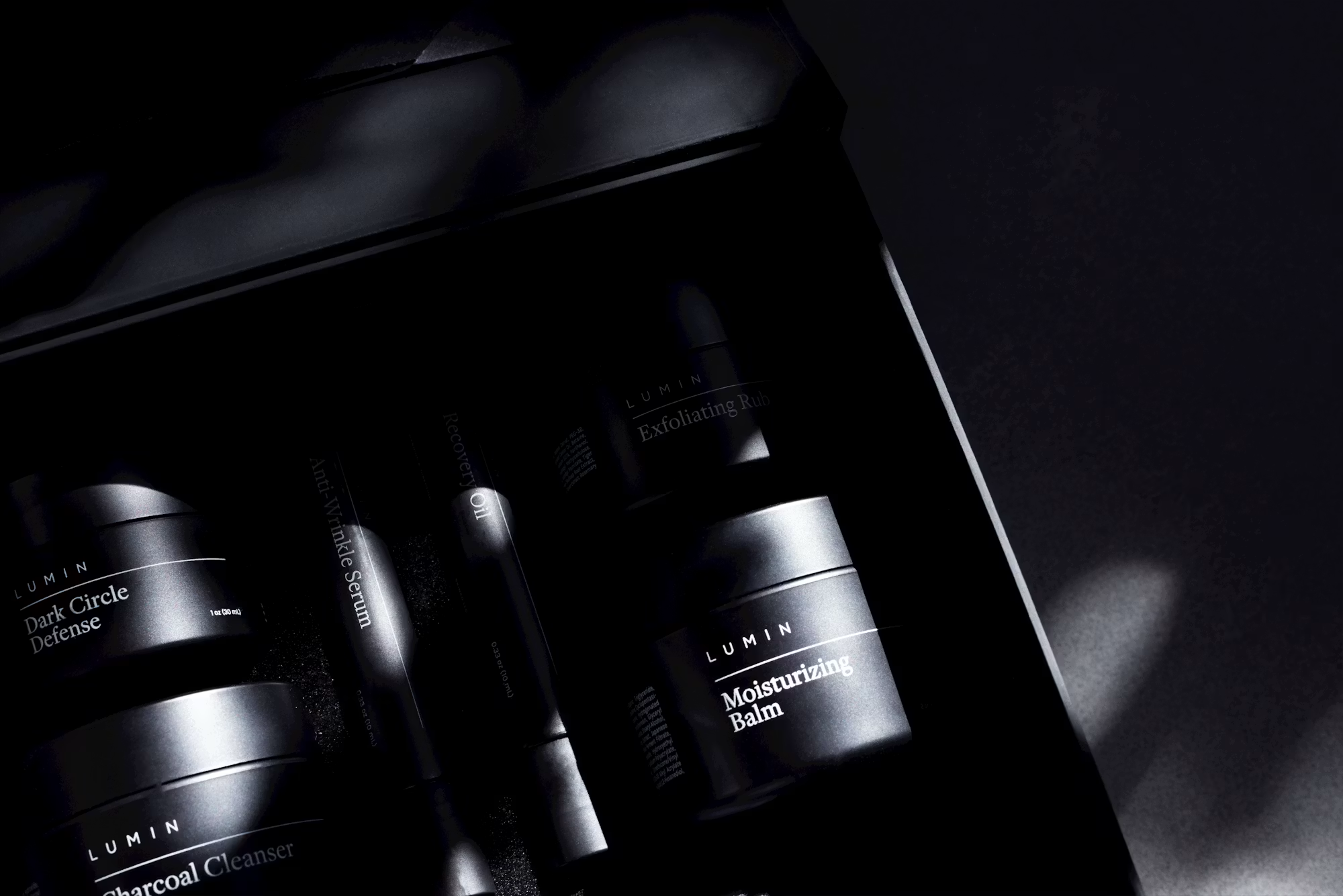
Hydration is often regarded as one of the cornerstones of healthy skin. The relationship between water and skin health cannot be overstated; adequate hydration not only helps maintain skin elasticity but also contributes to a radiant complexion. This article explores the significance of hydration in skincare, the various ways to achieve it, and tips for incorporating hydration into your daily routine.
The Science of Hydration
Our skin is made up of several layers, with the outermost layer, the stratum corneum, serving as a barrier to the external environment. This layer is composed of dead skin cells and lipids, which help retain moisture. When the skin is adequately hydrated, it appears plump and youthful. Conversely, dehydrated skin can lead to a range of issues, including dryness, flakiness, and a dull appearance. Understanding how hydration works is essential for implementing effective skincare strategies.
Why Hydration Matters
1. Maintains Elasticity: Hydrated skin is more elastic, reducing the appearance of fine lines and wrinkles. This elasticity is crucial for youthful-looking skin, making hydration a key factor in anti-aging regimens.
2. Enhances Barrier Function: Proper hydration helps strengthen the skin’s barrier, making it more resilient against environmental stressors such as pollution and UV radiation. A strong barrier also aids in preventing moisture loss, creating a self-sustaining system.
3. Promotes a Healthy Glow: Well-hydrated skin reflects light better, resulting in a healthy, luminous appearance. This glow is often sought after in beauty routines, highlighting the importance of hydration as a cosmetic benefit.
4. Prevents Breakouts: Interestingly, dehydrated skin can sometimes lead to increased oil production as the skin attempts to compensate for the lack of moisture. This excess oil can clog pores and lead to breakouts, emphasizing the need for balance in hydration.
Ways to Hydrate Your Skin
To achieve optimal hydration, consider incorporating the following strategies into your skincare routine:
1. Drink Plenty of Water: The most fundamental way to hydrate your skin is by drinking water. Aim for at least eight glasses a day, adjusting based on your activity level and climate. Proper hydration starts from within, and drinking adequate water can help your skin retain moisture more effectively.
2. Use Hydrating Products: Incorporate products specifically designed to hydrate the skin. Look for ingredients such as hyaluronic acid, glycerin, and aloe vera. Hyaluronic acid, for instance, can hold up to 1,000 times its weight in water, making it an excellent choice for plumping and hydrating the skin.
3. Moisturizers: After cleansing and toning, applying a moisturizer helps lock in hydration. Choose a moisturizer that suits your skin type—lighter gel formulations work well for oily skin, while cream-based products are better for dry skin.
4. Facial Mists: These can be a great way to provide an instant boost of hydration throughout the day. Keep a hydrating mist in your bag and spritz it on your face when needed, especially in dry or air-conditioned environments.
5. Sheet Masks: Incorporating sheet masks into your routine a few times a week can provide deep hydration. These masks are soaked in serums filled with hydrating ingredients, offering a quick way to revitalize your skin.
6. Humidifiers: If you live in a dry climate or find your skin feels tight in winter, consider using a humidifier in your home. This device adds moisture to the air, helping to prevent dehydration of your skin while you sleep or go about your day.
Creating a Hydration-Focused Routine
Developing a skincare routine centered around hydration involves careful selection of products and techniques. Here’s a simple routine to get you started:
1. Cleanser: Use a gentle, hydrating cleanser that won’t strip your skin of its natural oils. Avoid harsh soaps that can leave your skin feeling dry.
2. Toner: Apply a hydrating toner after cleansing to prep your skin for better absorption of the following products. Look for alcohol-free options with ingredients like rose water or chamomile.
3. Serum: Introduce a hydrating serum containing hyaluronic acid or other hydrating agents. Apply this before your moisturizer to boost hydration levels.
4. Moisturizer: Seal in the moisture with a suitable moisturizer. If you have oily skin, consider a lightweight gel moisturizer. For dry skin, opt for a richer cream.
5. Sunscreen: In the morning, finish your routine with a broad-spectrum sunscreen to protect your skin from UV damage. Many sunscreens also contain hydrating ingredients that contribute to overall moisture.
Seasonal Considerations
Hydration needs can vary with the seasons. During the summer, you may need lighter products due to increased humidity, while winter may require richer creams to combat dry air. Adjust your routine accordingly to maintain optimal hydration throughout the year.
Nutrition for Hydration
What you eat plays a crucial role in your skin’s hydration levels. Incorporate foods that are high in water content, such as cucumbers, oranges, and watermelon. Additionally, omega-3 fatty acids found in fish, walnuts, and flaxseeds can help maintain your skin’s lipid barrier, further enhancing moisture retention.
Conclusion: Embrace Hydration for Beautiful Skin
Hydration is a fundamental aspect of skincare that often gets overlooked. By understanding its importance and implementing effective strategies, you can achieve and maintain a radiant complexion. Remember to drink plenty of water, choose hydrating products, and create a skincare routine tailored to your needs. Embrace the power of hydration, and watch your skin transform into a healthy, glowing canvas that reflects your overall well-being. With dedication and the right approach, you can ensure that hydration remains a priority in your skincare regimen, leading to long-lasting beauty and confidence.